

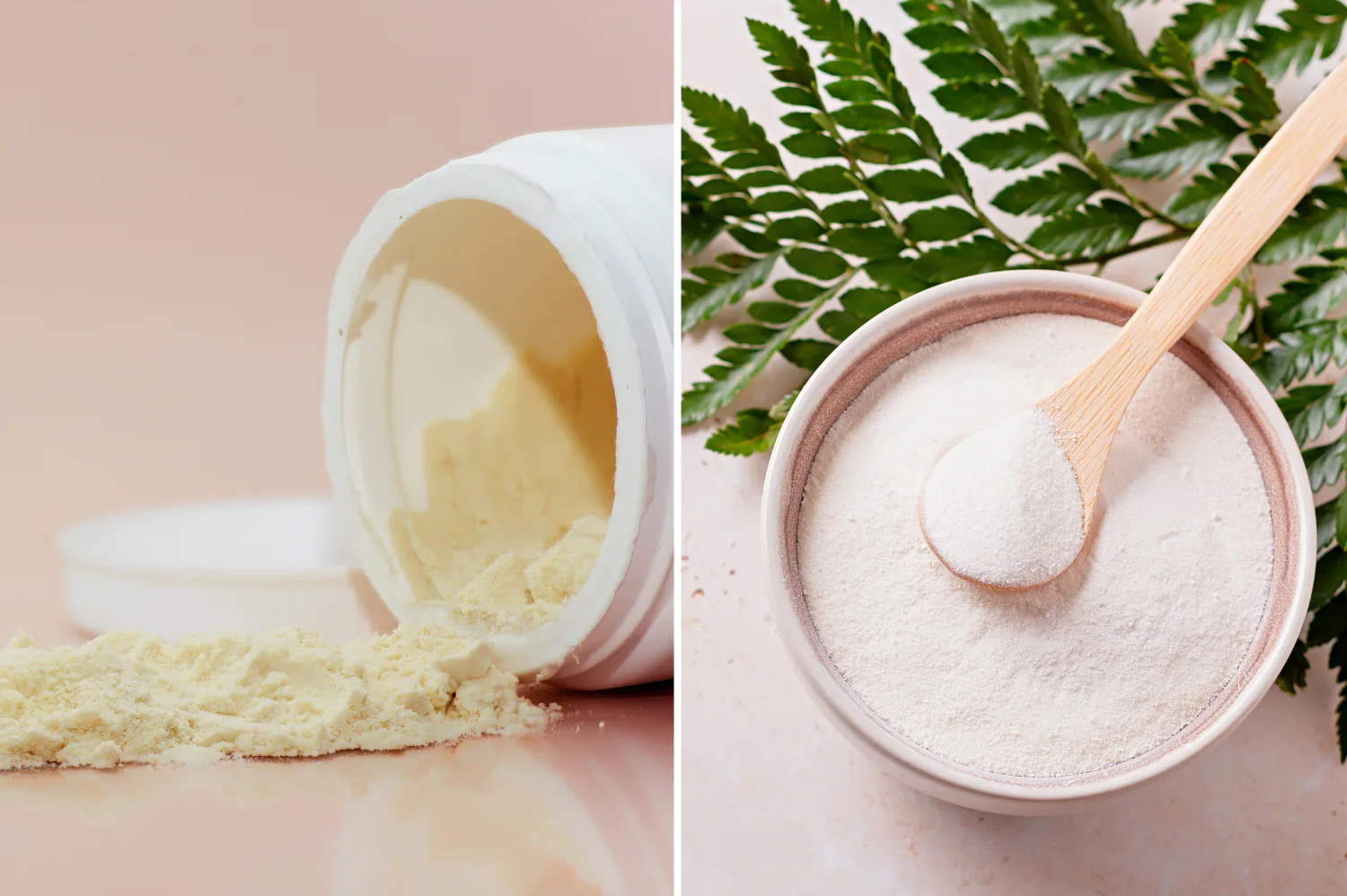
In the rapidly evolving landscape of functional nutrition, consumers are increasingly moving away from “catch-all” multivitamins in favor of targeted, bioactive proteins that offer specific physiological outcomes. Two of the most prominent powerhouses in this category are bovine-derived: one focused on the structural integrity of the body and the other on immune-system modulation. For those looking to optimize their daily regimen, the debate of collagen vs colostrum has become a central topic of interest. While both supplements are sourced from pasture-raised cattle, they serve fundamentally different biological roles. Understanding whether your body requires the “structural glue” of collagen peptides or the “immune intelligence” of colostrum is the first step in creating a truly personalized wellness strategy that supports long-term vitality.
The Architecture of Strength: Collagen Types I & III
Collagen is the most abundant protein in the human body, acting as the primary component of our connective tissues. For individuals aged 25 to 55, the natural decline in endogenous collagen production often manifests as fine lines in the skin or a decrease in joint flexibility. By introducing grass-fed Type I and III bovine peptides, you are providing the body with the specific amino acids—proline, glycine, and hydroxyproline—needed to maintain the extracellular matrix. This is a “bottom-up” approach to health: by strengthening the foundation of our tendons, ligaments, and dermis, we ensure that the physical structure of the body remains resilient against the wear and tear of both aging and athletic performance.
The Immune Foundation: The Role of Colostrum
While collagen provides the physical building blocks, colostrum provides the biological instructions. Often referred to as “liquid gold,” colostrum is the first milk produced by cows after giving birth, and it is packed with immunoglobulins (IgG), lactoferrin, and growth factors. Unlike collagen, which is used for tissue construction, colostrum is primarily utilized for immune defense and gut-barrier repair. It works to “seal” the lining of the digestive tract, making it an essential tool for those suffering from intestinal permeability or chronic inflammation. For the holistic lifestyle follower, colostrum is less about building the house and more about fortifying the security system that protects it.
Synergy and Application
The most sophisticated wellness routines often recognize that these two substances are not mutually exclusive; rather, they are highly synergistic. Colostrum can help create a healthy, non-inflamed gut environment that actually increases the absorption efficiency of the collagen peptides you consume. For the athlete, colostrum supports the immune system during periods of heavy training, while collagen ensures the joints can handle the mechanical stress. When selecting these supplements, it is imperative to prioritize sourcing. High-heat processing can denature the delicate proteins in both, so looking for low-heat, pasture-raised options is non-negotiable for efficacy.
Investing in Pure Origins
Ultimately, the choice between these two nutritional giants depends on your immediate health priorities—whether you are chasing aesthetic radiance and joint mobility or systemic immune resilience and digestive health. As we look toward the future of preventative health in 2026, the emphasis must remain on the quality of the raw materials and the transparency of the manufacturing process. By integrating the highest-tier, grass-fed Type I and III peptides from Root Vitality into your daily habit, you are ensuring that your body has the structural support it needs to thrive in an increasingly demanding world.
