

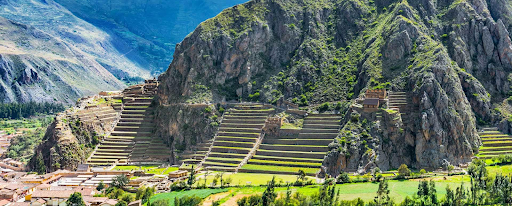
The Sacred Valley of the Incas, known locally as Valle Sagrado, stretches for approximately 60 kilometers along the Urubamba River between Cusco and Machu Picchu. This fertile corridor served as the agricultural and spiritual heartland of the Inca Empire, and today it stands as one of Peru’s most captivating destinations. A Sacred Valley tour from Cusco offers travelers an immersive journey through ancient ruins, vibrant markets, traditional villages, and breathtaking Andean landscapes all while experiencing the living culture that connects modern communities to their ancestral past.
Why the Sacred Valley Matters
The Incas recognized the Sacred Valley’s exceptional value for reasons that remain evident today. Its lower elevation compared to Cusco creates a milder climate ideal for agriculture, while the Urubamba River provided reliable water for irrigation. The valley produced abundant maize, quinoa, and potatoes that fed the empire, making it economically vital. Spiritually, the Incas believed the valley held profound cosmic significance, building temples and ceremonial centers aligned with astronomical phenomena and mountain deities.
For modern travelers, the Sacred Valley serves multiple purposes. Beyond its historical and archaeological significance, the valley sits at a more comfortable elevation than Cusco ranging from 2,800 to 2,900 meters compared to Cusco’s 3,400 meters. Many visitors schedule their Sacred Valley tour early in their Peruvian itinerary as a gentler introduction to altitude, allowing gradual acclimatization before tackling higher-elevation sites or multi-day treks.
Classic Sacred Valley Itinerary
Most full-day Sacred Valley tours from Cusco follow a well-established circuit that covers the valley’s highlight destinations. Tours typically depart between 7 and 8 AM, with return to Cusco around 7 PM, creating a long but rewarding day of exploration.
The journey begins with a scenic drive through the Andean highlands, often stopping at a viewpoint overlooking the valley. Your first major destination is usually Pisac, a town famous for both its archaeological site and its vibrant artisan market. The Pisac ruins perch dramatically on a mountain ridge above the modern town, featuring extensive agricultural terraces, residential compounds, and ceremonial areas. The engineering sophistication displayed in the stonework and the integration of structures into the natural landscape showcase Incan architectural mastery at its finest.
After exploring the ruins, you’ll descend to Pisac’s market, which operates daily but reaches its liveliest on Tuesdays, Thursdays, and especially Sundays. Here, local artisans sell textiles, ceramics, jewelry, and traditional crafts. Unlike many tourist markets, Pisac retains authenticity, with many vendors actually producing the goods they sell. This provides opportunities to purchase quality handmade items while supporting local communities directly.
Following Pisac, tours proceed deeper into the valley toward Urubamba, where most itineraries include a buffet lunch featuring Peruvian specialties. These restaurants typically offer stunning valley views alongside dishes like lomo saltado, rocoto relleno, and various quinoa-based preparations. Vegetarian and dietary restrictions are generally accommodated with advance notice.
The afternoon portion visits Ollantaytambo, arguably the Sacred Valley’s most impressive archaeological site. Unlike many Incan ruins, Ollantaytambo remains a living town where descendants of the original inhabitants still occupy centuries-old buildings and maintain ancient irrigation channels. The ruins themselves tell a dramatic story this fortress-temple complex served as the site of one of the Incas’ few military victories against Spanish conquistadors.
Climbing Ollantaytambo’s steep ceremonial terraces rewards visitors with spectacular views across the valley and brings you face-to-face with massive stone blocks transported from quarries located kilometers away on the opposite mountain. The precision with which these multi-ton stones fit together, without mortar, exemplifies the Incas’ extraordinary engineering capabilities. The Temple of the Sun, with its six monolithic red granite slabs, represents one of the empire’s most ambitious construction projects, left unfinished at the time of the Spanish invasion.
Many tours conclude with a stop at Chinchero, a traditional Andean village positioned on a high plateau above the valley floor. Chinchero combines Incan ruins with a beautiful colonial church built directly atop Incan foundations, a powerful symbol of cultural conquest and resilience. The town is renowned for its textile traditions, and visitors often observe demonstrations of traditional weaving techniques, natural dyeing processes using local plants and minerals, and the spinning of alpaca fiber. The Sunday market at Chinchero attracts locals from surrounding communities who come to trade agricultural products, making it more authentically Peruvian than tourist-focused markets elsewhere.
Variations and Customization Options
While the Pisac-Urubamba-Ollantaytambo-Chinchero circuit represents the standard itinerary, numerous variations exist. Some tours emphasize archaeological sites over markets, adding stops at lesser-known ruins like Moray an impressive agricultural laboratory featuring concentric circular terraces that created multiple microclimates for crop experimentation and the Maras salt mines, where thousands of small pools cascading down a mountainside have been harvested for salt since pre-Incan times.
Adventure-oriented tours might incorporate activities like mountain biking, zip-lining, or whitewater rafting on the Urubamba River. Multi-day Sacred Valley tours allow deeper exploration, including visits to remote communities, overnight stays in valley towns, and more relaxed pacing that permits extended time at each location.
Private tours offer maximum flexibility, allowing you to adjust the itinerary based on your interests, spend more time at sites that captivate you, and skip locations that don’t appeal. While more expensive than group tours, private options provide personalized experiences without the constraints of group dynamics and fixed schedules.
Choosing the Right Tour
Sacred Valley tours range dramatically in price and quality. Budget group tours, costing $25-40 USD per person, typically involve large buses with 30-40 participants, brief stops at each location, and basic included lunch. Mid-range options at $60-90 USD feature smaller groups, better guides with deeper historical knowledge, and superior meal quality. Premium tours exceeding $100 USD offer expert guides, intimate group sizes, gourmet lunches, and greater flexibility.
The guide makes an enormous difference in your experience. A knowledgeable, passionate guide transforms piles of stones into vivid stories of empire, conquest, and resilience, while a disengaged guide reciting memorized facts diminishes the valley’s magic. Reading recent reviews helps identify companies consistently providing excellent guides.
Consider what’s included beyond the obvious: entrance fees to all sites, lunch, transportation comfort level, and pickup/drop-off arrangements. Some budget tours charge separately for entrance fees or only include some sites, creating unexpected costs. Others use uncomfortable, poorly maintained vehicles for the hours of mountain driving. Clarifying these details before booking prevents disappointment.
Practical Considerations
The Sacred Valley tour involves considerable time outdoors at moderate altitude with substantial walking, including climbing steep stairs at archaeological sites. While not technically difficult, a basic fitness level helps you enjoy the experience rather than endure it. Comfortable walking shoes with good traction are essential, as ancient stone steps can be uneven and sometimes slippery.
Weather in the Sacred Valley is generally more pleasant than Cusco, but conditions change throughout the day. Mornings can be cool, midday sun intense, and afternoon rain showers possible especially during the November-March wet season. Layered clothing allows you to adjust to these fluctuations, and bringing a light rain jacket or poncho provides insurance against unexpected showers.
Sun protection cannot be overstated. The combination of altitude and frequent cloudless skies creates powerful UV exposure. High-SPF sunscreen, a wide-brimmed hat, and sunglasses should be considered mandatory rather than optional. Many visitors underestimate the sun’s intensity and end up with painful burns that mar subsequent days of travel.
Hydration matters significantly at altitude. Carry at least one liter of water and drink consistently throughout the day. Most tours make stops where you can purchase additional water and snacks, but having your own supply ensures you stay properly hydrated. Small bills in local currency prove useful for purchasing items from vendors at markets and archaeological sites.
Photography Opportunities
The Sacred Valley presents exceptional photography opportunities throughout the day. Morning light illuminates agricultural terraces beautifully, while afternoon sun creates dramatic shadows across ruins. Markets provide colorful, vibrant subjects, though always ask permission before photographing individuals, particularly in traditional dress. Offering to purchase something from a vendor’s stall often makes them more receptive to photo requests.
Bringing extra camera batteries and memory cards is wise, as you’ll likely take more photos than anticipated. The valley’s photogenic quality combined with perfect weather conditions can quickly fill memory cards. If you use a phone for photography, consider bringing a portable charger, as constant photo-taking drains batteries rapidly.
Beyond the Standard Tour
For travelers with extra time, the Sacred Valley rewards extended exploration. Towns like Urubamba and Ollantaytambo offer accommodation ranging from budget hostels to luxury resorts, allowing you to experience the valley’s tranquil evenings after day-trippers return to Cusco. Staying overnight provides opportunities for sunrise photography at ruins, unhurried market browsing, and deeper cultural interactions with local communities.
Many visitors use the Sacred Valley as their base for visiting Machu Picchu, as it provides easier access to trains departing for Aguas Calientes and offers a more relaxed atmosphere than bustling Cusco. This approach also aids altitude acclimatization, starting at lower elevation before gradually ascending to higher sites.
Conclusion
A Sacred Valley tour from Cusco delivers one of Peru’s most enriching day trips, combining spectacular archaeological sites, vibrant cultural traditions, and stunning natural beauty. Whether you seek to understand Incan engineering genius, purchase authentic handicrafts, photograph dramatic mountain landscapes, or simply absorb the valley’s peaceful atmosphere, this journey through the empire’s heartland provides experiences that remain vivid long after you’ve returned home. The Sacred Valley isn’t merely a collection of ruins it’s a living testament to cultural continuity and human ingenuity that continues to captivate everyone who wanders through its ancient pathways.
FREQUENTLY ASKED QUESTIONS
How long does a Sacred Valley tour take? Most full-day tours last 10-12 hours, departing Cusco around 7-8 AM and returning between 6-7 PM. Half-day options focus on fewer sites and typically last 5-6 hours.
What’s the best day to visit markets? Sunday offers the most vibrant market experience, especially at Pisac and Chinchero. Tuesday and Thursday markets are also excellent but smaller. Markets operate daily but with reduced selection mid-week.
Is altitude sickness a concern in the Sacred Valley? The Sacred Valley sits lower than Cusco (2,800m vs 3,400m), making altitude sickness less likely. Many travelers do the Sacred Valley tour early in their trip as gentle acclimatization before higher elevations.
What should I bring on the tour? Essentials include comfortable walking shoes, layered clothing, sun protection (hat, sunscreen, sunglasses), water bottle, rain jacket, camera, and cash in small bills for purchases and tips.
Are entrance fees included in tour prices? This varies by tour operator. Budget tours often charge entrance fees separately ($70 USD for the Boleto Turístico covering multiple sites). Confirm what’s included when booking.
Can I buy the Boleto Turístico at these sites? The general circuit tourist ticket must be purchased in Cusco before your tour or at the first site you visit. Not all payment methods are accepted at ruins, so arrange this in advance.
Is lunch included in Sacred Valley tours? Most tours include buffet lunch in Urubamba, but quality varies significantly. Premium tours feature better restaurants with wider selections and dietary accommodations.
How much walking is involved? Expect 2-4 hours of walking total throughout the day, including steep stone stairs at archaeological sites. Basic fitness is sufficient, but mobility issues may make some areas challenging.
Can I visit the Sacred Valley independently? Yes, public buses and colectivos connect Cusco to valley towns. However, organized tours provide efficiency, expert guides, and hassle-free logistics that independent travel cannot match for first-time visitors.
Should I visit before or after Machu Picchu? Either works well. Visiting before provides context for Machu Picchu’s significance. Visiting after allows you to appreciate the valley’s sites without Machu Picchu overshadowing them. Many travelers use the valley for acclimatization before Machu Picchu.
