

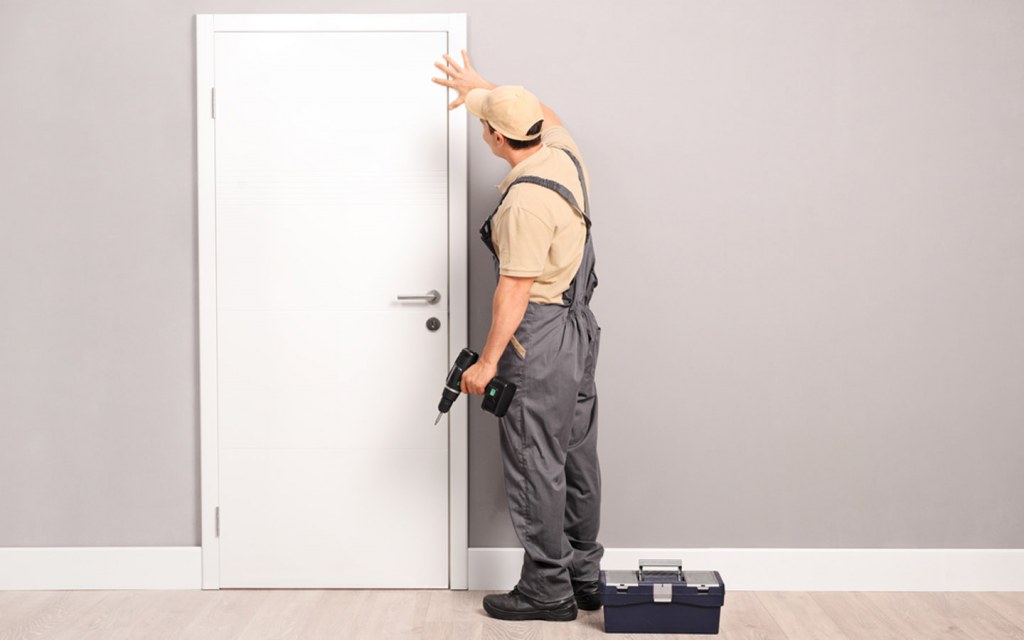
Installing an interior door might seem like a daunting task, but with the right guidance, it can be a straightforward and satisfying DIY project. Whether you’re replacing an old door or installing a new one, these quick tips will help you achieve a professional finish. If you’re planning to start your project soon, visiting your local interior doors store for quality materials is a great first step.
1. Measure Twice, Cut Once
Accurate measurements are the foundation of any successful door installation. Start by measuring the height and width of your door frame carefully. Don’t forget to check the squareness of the frame using a level. This ensures your door will hang evenly and avoid issues such as rubbing against the floor or sticking in the frame.
2. Choose the Right Door
Not all doors are created equal. Interior doors vary in material, style, and weight. Hollow-core doors are lightweight and cost-effective, making them ideal for bedrooms and closets. Solid-core doors offer better sound insulation and durability, perfect for bathrooms and home offices. Your interior doors store can help you select a door that matches your aesthetic and functional needs.
3. Prepare the Door Frame
Before installing, remove any old hinges, nails, or trim from the door frame. Sand down rough edges and ensure the frame is clean and level. If the frame is uneven, use shims to correct it; this step prevents the door from sticking and ensures smooth operation.
4. Install Hinges Carefully
Mark the hinge positions on both the door and the frame accurately. Typically, doors have three hinges: one at the top, one at the bottom, and one in the middle for stability. Use a chisel to create shallow recesses for the hinges so they sit flush with the door surface. Tighten screws securely but avoid over-tightening, which can warp the hinge or door.
5. Hang the Door
With the hinges attached, carefully lift the door into the frame. It may help to have an assistant hold the door in place while you secure it. Check that the door swings smoothly and evenly. Adjust the hinge screws or add thin shims if necessary to perfect the alignment.
6. Install Handles and Locks
Once the door is hanging correctly, mark and cut out spaces for handles, knobs, or locks according to the manufacturer’s instructions. Ensure that all components are level and functional. This step can also be an opportunity to upgrade your hardware for a fresh, modern look.
7. Finish with Trim and Paint
Finally, add casing or trim around the door to conceal gaps and give a polished finish. Sand any rough edges and apply paint or stain to match your interior decor. High-quality finishes not only enhance appearance but also protect the door from everyday wear.
Final Thoughts
Installing an interior door doesn’t have to be intimidating. With careful measurement, proper preparation, and attention to detail, you can achieve a professional-looking result on your own. For the best selection and expert advice, be sure to visit an interior doors store near you. They can guide you in choosing the perfect door to suit your style, space, and budget.
