

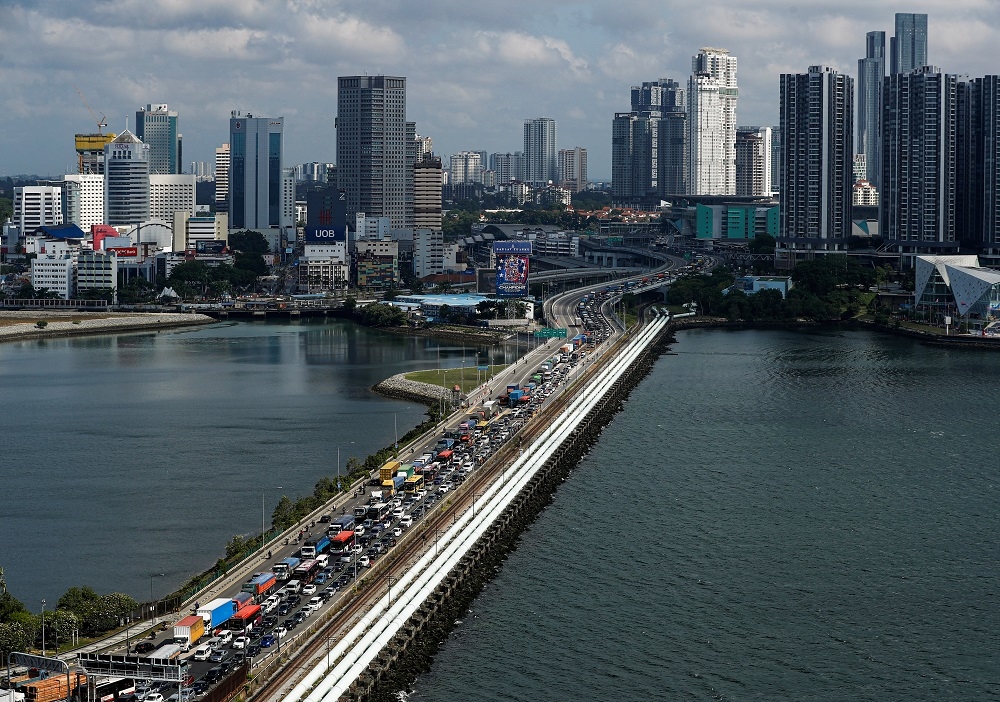
Cross-border travel between Singapore and Malaysia is a daily reality for thousands of commuters, business travelers, and tourists. In recent years, the introduction of the Vehicle Entry Permit (VEP) system has significantly influenced the dynamics of this movement. Understanding how a VEP application affects travel can help individuals and businesses plan more efficiently and avoid unnecessary delays.
Understanding the VEP System
The Vehicle Entry Permit, or VEP, is a regulatory system implemented to manage foreign-registered vehicles entering Singapore. Vehicles from Malaysia, in particular, are required to secure this permit to gain entry. The VEP application serves multiple purposes: it helps authorities monitor traffic flow, ensures compliance with environmental and toll regulations, and supports security measures at border checkpoints.
Without a valid VEP, Malaysian-registered vehicles may face fines or denial of entry, making it an essential requirement for frequent cross-border travelers.
How to Apply for a VEP
Applying for a VEP is a straightforward process, but it requires attention to detail. Vehicle owners must register online through the official platform, providing essential details such as vehicle registration, ownership documents, and insurance information. The system also requires periodic updates for vehicles traveling regularly across the border.
A successful VEP application grants approval for a specified period, after which renewal is mandatory. Travelers should plan ahead, especially during peak holiday seasons, to avoid delays caused by last-minute applications.
Impact on Daily Commuters
For Malaysians working in Singapore, the VEP system introduces both convenience and responsibility. On one hand, pre-approved permits allow smoother passage at border checkpoints. On the other hand, strict enforcement means travelers must stay compliant with traffic rules and ensure that their vehicle registration and VEP details are up to date.
Delays often occur when vehicles without valid VEPs attempt to cross the border, affecting not only individual schedules but also overall traffic management during peak hours. Therefore, timely submission of a VEP application has become a critical part of daily commuting logistics.
Influence on Tourism and Business Travel
Tourists and business travelers also feel the effects of the VEP system. International visitors driving into Singapore from Malaysia must secure permits in advance, which can influence travel plans and itinerary scheduling. Businesses relying on cross-border deliveries or transport services need to account for permit processing times in their operational planning.
In essence, the VEP application acts as a regulatory checkpoint that balances border security with the efficiency of travel, ensuring that only compliant vehicles enter Singapore.
Future Considerations
As traffic between Singapore and Malaysia continues to grow, the VEP system is expected to evolve with technological advancements. Digitalization of the application process, real-time traffic updates linked to permit status, and enhanced enforcement measures are likely to make cross-border travel smoother and more predictable.
For travelers, staying informed about changes in VEP requirements and application procedures will remain crucial. Proper planning not only prevents fines but also ensures a stress-free journey across one of Southeast Asia’s busiest land borders.
Conclusion
The VEP application has transformed how vehicles move between Singapore and Malaysia. While it introduces a layer of regulation, it ultimately facilitates safer, more organized, and environmentally conscious travel. Whether for daily commuting, tourism, or business purposes, understanding and complying with the VEP system is now an indispensable part of cross-border travel planning.
