

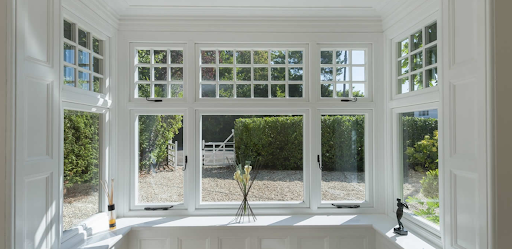
Homes breathe. Walls expand, glass shivers, air moves. They’re alive in their own quiet way. Yet most people never think about how much the windows control that rhythm. Double glazed windows—they sound technical, dull even—but they’re really about how your home feels to live in. They shape warmth, sound, and mood in ways that go unnoticed until you experience them. Think of them less as glass, more as invisible comfort, changing how your house interacts with weather, noise, and energy.
The Hidden Physics Behind Comfort
One pane of glass—it looks fine but acts like a hole wearing a disguise. Heat slips through, cold sneaks in, and the air inside shifts restlessly. Then comes the double glazing. Two sheets, a thin trapped layer of air—or sometimes argon, heavier, slower to move. The difference it makes is quiet but astonishing.
That narrow gap does the real work. It stops molecules from rushing. Heat tries to escape but hits resistance, slows down, and lingers. Inside, rooms hold their temperature like they were meant to. Outside, the weather rages but feels muted.
People rarely notice how this changes behavior. You stand closer to the window. You don’t inch away from drafts. You sip your coffee by the glass without that faint chill brushing your skin. The room feels balanced, steady, less frantic. Comfort becomes something you don’t think about anymore—it just exists.
Energy Efficiency Beyond the Marketing Promise
Energy efficiency, yes—everyone says it. But double glazing makes that phrase real, measurable, visible even. A thermal camera shows it best: on one side of a wall, single-pane windows blaze with lost heat; with double glazing, the glow fades to a calm blue. That color difference is energy staying where it belongs.
What happens next is interesting. Your heater doesn’t race. The air feels more consistent. Humidity doesn’t spike or dip. Over weeks and months, you spend less—not because of a dramatic miracle, but because your house has learned to breathe slower.
It’s not only about saving money; it’s about reshaping the relationship between energy and comfort. Your rooms stop fluctuating. You stop adjusting thermostats every few hours. And in that steadiness lies the true efficiency—not just technical, but human.
The Unexpected Sound of Silence
Noise is a thief. It steals focus, rest, and patience without anyone realizing it. The brilliance of double glazed windows isn’t just in their insulation against temperature—it’s in how they disrupt sound.
The space between panes doesn’t let noise pass cleanly. Vibrations hit, scatter, bend, weaken. Low rumbles—the growl of traffic, trains in the distance—fade first. Higher tones, the chatter, the echoes of city life, lose their edge. The world outside becomes softer, less urgent.
People notice the change not with their ears but their bodies. They sleep deeper. Work longer without distraction. The mind calms in the absence of background chaos. The quiet has weight—it presses gently, a reminder that silence isn’t empty, it’s restorative.
Condensation: The Invisible Foe
Condensation seems harmless. A misted window on a cold morning, a towel swipe, done. But it’s a symptom of imbalance—a sign that cold air and warm air are at war. Over time, it breeds damp corners, swelling wood, paint peeling quietly away.
Double glazing breaks that cycle. The inner pane stays close to room temperature, so moisture doesn’t cling. It’s not a flashy fix, just quiet prevention. Your window frames last longer. Walls stay dry. The air feels fresher, not thick with hidden damp.
Even sunlight behaves differently. UV rays—those silent destroyers of fabric and color—lose strength as they pass through the second pane. Curtains fade slower. Floors keep their tone. Your home ages gracefully instead of quickly.
Design, Security, and Perception
Old homes. New homes. Big, small, city, countryside—it doesn’t matter. Double glazing adapts. It hides its sophistication behind design. Steel-look frames for modern spaces, timber-like finishes for the traditional. Clean lines, no shouting.
Security rides along as an unspoken bonus. Two panes mean double resistance. Glass that flexes instead of shattering. Locks designed to outthink intrusion attempts. Safety not as a feature, but as a feeling—you sense it in the stillness.
But what’s rarely discussed is perception. A home fitted with double glazing feels more grounded. People inside move differently. There’s less tension in the air, less need to retreat from corners or wrap themselves in blankets. It’s subtle, psychological, and entirely real.
Conclusion:
Homes change slowly, but when they do, the difference lasts decades. Double glazed windows aren’t an aesthetic whim—they’re a shift in how a building lives with its climate. They trap warmth, hush noise, and calm the invisible fluctuations that wear on both walls and minds.
They’re not about technology; they’re about human rhythm—quiet mornings without drafts, steady evenings without hums, air that doesn’t betray the weather outside. Energy saved, peace gained. The math is simple. The feeling is not. And perhaps that’s the point—comfort that doesn’t need to announce itself, only to be felt, every day, behind the glass that finally learned how to listen.
