

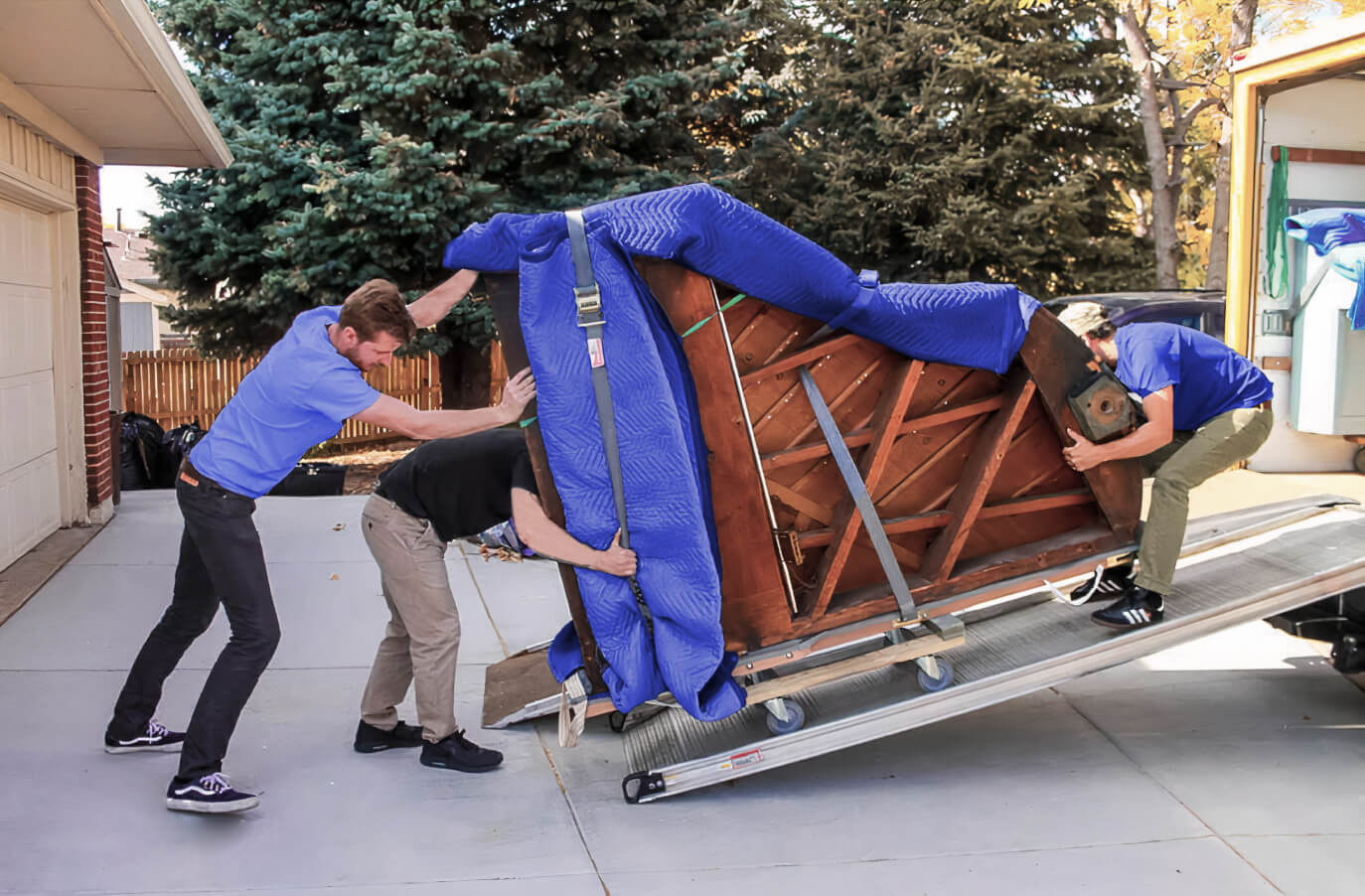
When you’re ready to move your piano, it’s natural to start by searching for piano movers near me. It feels convenient and quick, but many people make costly mistakes during this process—mistakes that can lead to damaged instruments, unexpected charges, and a stressful moving experience. To help you avoid these issues, this blog breaks down the most common missteps people make and how you can choose the right professionals with confidence.
1. Choosing the Cheapest Option Without Checking Credentials
One of the biggest mistakes people make is prioritizing low prices over reliability. Pianos are delicate, heavy, and expensive instruments. The cheapest movers usually cut corners, lack proper training, or don’t have specialized equipment.
What to do instead:
- Look for movers who specialize specifically in pianos.
- Check certifications, insurance, and customer reviews.
- Compare value—not just price.
2. Not Checking for Proper Insurance Coverage
Many customers assume all moving companies provide comprehensive insurance. Unfortunately, not all movers offer the level of protection your piano needs.
Why it matters:
Pianos can easily be scratched, dented, or damaged internally. Repairs can cost thousands of dollars.
What to do instead:
- Ask for proof of insurance.
- Confirm coverage for both the move and transportation.
- Make sure the policy covers the full value of your piano.
3. Ignoring Reviews and Customer Feedback
Some people skip reading reviews simply because it takes time. But reviews reveal real customer experiences that can save you from hiring the wrong mover.
What to look for:
- Comments about professionalism, punctuality, and communication
- Mentions of handling heavy or delicate pianos
- Photos or testimonials from past customers
Red flags:
- Repeated complaints
- Hidden fees
- Unresponsive customer support
4. Assuming All Movers Can Handle Pianos
People often believe any moving company can move a piano. But pianos require specialized knowledge, strength, and equipment. General movers may not know how to secure strings, protect internal components, or maneuver tight spaces.
What to do instead:
- Choose companies that advertise piano-moving expertise.
- Ask how many pianos they move each month.
- Request photos or videos of previous piano moves.
5. Not Asking the Right Questions
Another common mistake is not asking enough detailed questions before booking.
Be sure to ask:
- What equipment do you use to move pianos?
- Do you have experience with upright, baby grand, or concert grand pianos?
- Are there extra fees for stairs, long carries, or tight spaces?
- Will you disassemble and reassemble the piano if needed?
6. Forgetting to Measure Hallways, Doors, and Stairs
People often assume a piano will fit anywhere—but many homes have narrow staircases, tight hallways, or small doorways. Not measuring beforehand can lead to delays or even damage.
What to do instead:
- Measure your doorway widths, staircases, and elevator dimensions.
- Share these measurements with your mover.
- Take photos of tight spots for better planning.
7. Not Preparing the Piano or Home Before Movers Arrive
Your movers may be trained professionals, but they still need a safe and clear environment to work efficiently.
Preparing your home:
- Clear all pathways
- Remove rugs, clutter, or fragile items
- Ensure both entry points are accessible
Preparing the piano:
- Close and lock the lid
- Remove decorative items
- Inform movers about any loose parts
8. Failing to Get a Written Quote
Verbal estimates can lead to misunderstandings or surprise charges on moving day.
Always request:
- A written quote with itemized costs
- Clear details about extra fees
- Terms and conditions
This ensures transparency and avoids disputes later.
9. Booking Last Minute
Professional piano movers often get booked days or weeks in advance. Waiting until the last minute limits your options and may force you to choose inexperienced movers.
What to do instead:
- Schedule your move at least 1–2 weeks ahead
- Plan earlier during weekends or peak moving seasons
- Always confirm your booking via email or text
10. Not Considering Climate-Controlled Transportation or Storage
Pianos are extremely sensitive to humidity and temperature changes. If your move involves long-distance transport or temporary storage, ignoring climate control can damage the wood, strings, or internal mechanics.
What to do instead:
- Ask about climate-controlled vehicles and storage units
- Ensure the environment maintains stable humidity levels
- Avoid leaving the piano in trucks overnight
11. Assuming Pianos Don’t Need Tuning After a Move
This is a very common misconception. Even with the best movers, pianos go out of tune after relocation due to vibration and changes in humidity.
What to do instead:
- Hire a piano tuner 1–2 weeks after the move
- Allow the piano to adjust to your home’s environment before tuning
Conclusion
Searching for piano movers near me may seem straightforward, but overlooking the details can lead to big problems. By avoiding these common mistakes—like choosing unqualified movers, skipping research, or forgetting to ask key questions—you’ll ensure your piano arrives safely and in perfect condition. A piano is a valuable, sentimental investment, and it deserves a mover who treats it with care, expertise, and professionalism.
