

The modern wellness movement has witnessed a remarkable evolution in how we approach yoga practice. While traditional studio sessions continue to offer tremendous value, an exciting trend is reshaping the yoga landscape: adventure yoga. This dynamic fusion combines ancient yogic principles with outdoor exploration, physical challenges, and immersive nature experiences, creating a holistic approach to wellness that engages body, mind, and spirit in unprecedented ways.
Understanding the Adventure Yoga Movement
Adventure yoga represents a departure from conventional studio-based practice by integrating yoga sessions with outdoor activities and travel experiences. Rather than confining your practice to four walls and climate-controlled environments, adventure yoga invites you to roll out your mat on mountain peaks, pristine beaches, forest clearings, or desert landscapes. The practice extends beyond asanas to include hiking, surfing, kayaking, rock climbing, stand-up paddleboarding, and various other activities that challenge both physical limits and mental boundaries.
This approach recognizes that yoga encompasses far more than physical postures. The ancient yogic philosophy emphasizes connection with nature, mindfulness in all activities, and the cultivation of presence regardless of circumstances. Adventure yoga embodies these principles by removing the controlled environment and asking practitioners to adapt, flow, and find balance amid natural elements, uneven terrain, and unpredictable conditions.
The movement has gained substantial momentum globally, with specialized retreat companies, experienced instructors, and dedicated practitioners creating communities centered on this integrated approach. From weekend getaways combining hiking and yoga in nearby national parks to multi-week international retreats featuring diverse activities across exotic locations, adventure yoga offers options for every experience level and adventure appetite.
Physical Benefits That Extend Beyond the Mat
The physical advantages of adventure yoga compound the benefits of traditional practice in fascinating ways. When you practice yoga outdoors on natural surfaces, your body must constantly make micro-adjustments to maintain balance and stability. Grass, sand, rocks, and uneven ground challenge proprioception of your body’s ability to sense its position in space forcing deeper engagement of stabilizing muscles rarely activated on flat studio floors. This enhanced proprioceptive training translates to improved balance, coordination, and body awareness in all aspects of life.
Combining yoga with adventure activities creates comprehensive fitness that addresses multiple physical domains simultaneously. A typical adventure yoga day might begin with sunrise vinyasa flow to awaken the body, followed by several hours of hiking through challenging terrain, an afternoon session of yin yoga to release tension, and evening meditation under stars. This varied movement pattern develops cardiovascular endurance, muscular strength, flexibility, and mental resilience within a single integrated experience rather than requiring separate workout sessions.
The natural environment itself provides unique physical benefits. Uneven terrain during outdoor yoga practice strengthens ankles, improves core stability, and challenges balance in ways smooth floors cannot replicate. Walking barefoot on grass, sand, or earth provides natural foot massage while strengthening intrinsic foot muscles often weakened by constant shoe-wearing. Exposure to sunlight during outdoor practice ensures adequate vitamin D synthesis, crucial for bone health, immune function, and mood regulation.
Adventure activities paired with yoga create complementary fitness effects. Hiking builds lower body strength and cardiovascular capacity while yoga maintains flexibility and prevents injury. Rock climbing develops upper body power and mental focus while yoga provides the flexibility and breath control that enhance climbing performance. Surfing or paddleboarding challenge balance and core strength while yoga stretches tight muscles and centers the mind before entering the water.
Mental and Emotional Transformation Through Nature
The psychological benefits of adventure yoga often prove even more profound than physical gains. Research consistently demonstrates that nature exposure reduces stress hormones, particularly cortisol, while increasing production of mood-enhancing neurotransmitters like serotonin and dopamine. When you practice yoga surrounded by natural beauty, you access these mental health benefits while simultaneously engaging in a practice specifically designed to calm the nervous system and cultivate present-moment awareness.
Outdoor environments naturally enhance mindfulness by providing constantly changing sensory input. The rustling of leaves, bird songs, varying temperatures, shifting sunlight, and natural scents all anchor your attention to the present moment more effectively than artificial studio environments. This heightened sensory engagement deepens meditation, makes breath awareness more accessible, and helps quiet the mental chatter that often interferes with indoor practice.
Adventure yoga also builds psychological resilience by placing you in situations requiring adaptability and presence. When wind disrupts your balance in tree pose, when rain interrupts your planned session, or when fatigue from hiking challenges your ability to maintain difficult asanas, you develop mental flexibility and emotional regulation skills applicable to all life challenges. Learning to welcome rather than resist these natural disruptions cultivates the equanimity yoga philosophy teaches.
The combination of physical challenge and natural beauty creates optimal conditions for what psychologists call “flow states” those moments of complete immersion where time seems to disappear and performance feels effortless. Adventure activities like hiking to spectacular viewpoints or navigating white-water rapids followed by grounding yoga practice create fertile ground for these transformative experiences that participants often describe as among their most meaningful life moments.
Building Community and Connection
One of adventure yoga’s most valued aspects is the community it creates. Shared experiences of physical challenge, natural beauty, and personal growth forge bonds between participants that often last far beyond the retreat or experience itself. Unlike drop-in studio classes where practitioners may never interact beyond polite nods, adventure yoga groups typically spend days or weeks together, sharing meals, overcoming challenges, and supporting each other’s growth.
This communal aspect addresses a profound need in modern society. Despite digital connectivity, many people experience deep loneliness and lack meaningful in-person connection. Adventure yoga retreats create intentional communities where authentic relationships develop naturally through shared vulnerability, mutual encouragement during challenging activities, and evening conversations around campfires or dinner tables. These connections often become support networks that continue through social media, return trips, and ongoing friendships.
The group dynamic also enhances individual practice. Watching fellow participants attempt challenging poses or push through difficult hikes provides inspiration and motivation. Sharing fears, breakthroughs, and insights creates permission for vulnerability and authenticity often absent in regular life. Many participants report that adventure yoga communities become their “tribe” , a group of like-minded individuals committed to growth, wellness, and living fully.
Sustainable and Conscious Travel
Quality adventure yoga programs emphasize environmental stewardship and cultural respect as core values. These experiences teach participants to minimize their environmental impact through leave-no-trace principles, support local communities through ethical tourism practices, and develop deeper appreciation for the natural world and diverse cultures encountered during travels.
Many adventure yoga companies partner with local guides, source meals from regional farmers, employ local staff, and contribute portions of proceeds to environmental conservation or community development projects. This conscious approach to travel ensures that tourism benefits rather than harms the destinations visited while providing participants with authentic cultural immersion impossible in conventional tourist settings.
Environmental awareness naturally deepens when yoga practice occurs directly in nature. Feeling morning dew on grass beneath your mat, breathing mountain air during pranayama, or practicing beside pristine rivers creates a visceral connection to the environment that abstract environmental concerns cannot match. This direct relationship with nature often inspires participants to make more sustainable choices in daily life, from reducing consumption to supporting conservation initiatives.
Accessible Entry Points for Beginners
Despite its adventurous nature, this practice welcomes practitioners at all levels. Many people mistakenly assume adventure yoga requires advanced yoga skills or exceptional physical fitness, but most programs offer modifications and support allowing complete beginners to participate fully. The adventure components typically include options for different fitness levels, ensuring everyone finds appropriate challenges without overwhelming difficulty.
Local adventure yoga experiences provide excellent starting points. Many cities offer outdoor yoga classes in parks, beach sessions at sunrise, or weekend workshops combining gentle hikes with yoga practice. These accessible options allow you to test the waters without significant time or financial commitment while discovering whether this approach resonates with you.
When selecting your first adventure yoga experience, consider programs explicitly welcoming all levels, featuring experienced instructors trained in both yoga and outdoor leadership, and offering detailed itineraries so you understand what to expect. Reading reviews from previous participants provides valuable insight into whether a particular program matches your comfort level and interests.
Global Destinations and Diverse Experiences
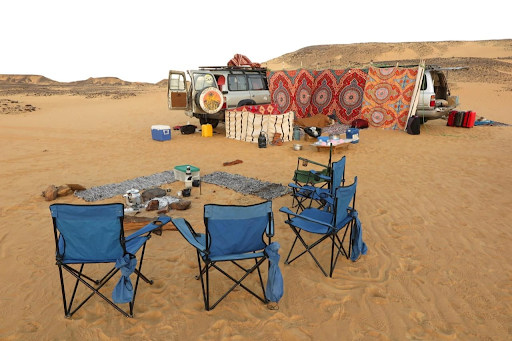
Adventure yoga unfolds across every conceivable landscape and climate. Tropical retreats in Bali, Costa Rica, or Thailand combine yoga with surfing, jungle exploration, and waterfall hikes. Mountain programs in Nepal, Patagonia, or the Swiss Alps integrate high-altitude hiking with yoga sessions overlooking dramatic peaks. Desert experiences in Morocco, Utah, or Egypt feature sunrise yoga on sand dunes and camel treks to remote oases.
Each destination offers unique advantages. Tropical locations provide year-round warm weather, lush natural beauty, and opportunities for water-based activities. Mountain settings deliver spectacular vistas, challenging terrain, and the spiritual resonance many cultures associate with high places. Desert environments offer stark beauty, profound silence, and dramatic temperature variations that create memorable contrasts between hot daytime activities and cool evening practices under brilliant stars.
Closer to home, adventure yoga possibilities abound in national parks, coastal areas, and wilderness regions. Weekend camping trips combining hiking and yoga, day trips to beaches for sunrise sessions followed by ocean swimming, or autumn retreats in mountain regions with peak foliage all provide accessible adventure yoga experiences without international travel expenses or extensive time commitments.
Preparing for Your Adventure Yoga Journey
Successful adventure yoga experiences begin with appropriate preparation. Physical conditioning helps ensure you can enjoy activities without excessive soreness or injury risk. If your chosen experience includes significant hiking, gradually increase walking distances and elevation gain in the weeks beforehand. If water activities feature prominently, swimming practice builds necessary stamina and water confidence.
Gear selection significantly impacts comfort and enjoyment. A good-quality travel yoga mat that balances portability with adequate cushioning becomes essential. Layered clothing allowing temperature adjustment as activities and weather change proves invaluable. Proper footwear supporting hiking or specific activities, sun protection including hats and high-SPF sunscreen, reusable water bottles, and basic first-aid supplies round out essential equipment.
Mental preparation matters equally. Adventure yoga often pushes comfort zones, whether through physical challenges, unfamiliar cultural settings, or extended time away from daily routines and digital devices. Approaching experiences with openness, curiosity, and willingness to embrace uncertainty enhances growth opportunities inherent in these journeys. Setting intentions for what you hope to gain whether physical strength, stress reduction, personal clarity, or simply joy helps focus your experience.
Integrating Adventure Yoga Principles into Daily Life
You need not wait for exotic retreats or extensive wilderness trips to embrace adventure yoga principles. The core philosophy of combining mindful movement with nature exposure and willingness to embrace challenge translates readily to everyday life. Morning yoga on your backyard lawn or apartment balcony connects practice with natural elements. Lunch-break walks in nearby parks become moving meditation. Weekend hikes transform into opportunities for mindful presence and gratitude.
Urban environments offer surprising adventure yoga possibilities. Rooftop yoga sessions provide fresh air and changing skies. Riverside or lakeside paths become settings for walk-flow-walk sequences alternating brisk walking with brief asana sessions. Even simple acts like practicing balance poses on varied surfaces grass, gravel, sand bring adventure yoga’s proprioceptive benefits into regular practice.
The mental approach matters more than exotic locations. Adventure yoga’s essence lies in presence, adaptability, and integration of practice with movement through the world. You embody these principles whether hiking Himalayan trails or walking your neighborhood with mindful awareness, whether practicing on pristine beaches or your local park’s imperfect grass.
Conclusion
Adventure yoga represents far more than trendy wellness tourism. It offers a pathway to holistic health integrating physical fitness, mental clarity, emotional resilience, and spiritual connection through the powerful combination of yoga practice, outdoor adventure, and immersion in natural beauty. By removing yoga from controlled environments and placing it within dynamic, unpredictable natural settings, this approach honors the practice’s ancient roots while meeting modern needs for authentic experience, meaningful challenge, and genuine connection.
Whether you embark on international retreats combining yoga with surfing tropical waves, plan weekend camping trips blending hiking with sunset asana sessions, or simply commit to regular outdoor practice in your local park, adventure yoga invites you to expand your understanding of what wellness looks like. It challenges the notion that health requires gym memberships and studio subscriptions, demonstrating instead that profound transformation occurs when we move our bodies mindfully through natural spaces, embrace challenges with curious spirits, and allow the earth itself to become our teacher.
The journey into adventure yoga need not begin with dramatic expenditures. Start exactly where you are, roll your mat onto grass, practice sun salutations under actual sun, feel earth beneath your feet, and breathe air scented with growing things. Notice how your practice shifts, how your awareness expands, and how your connection to both body and environment deepens. From these small beginnings, your adventure unfolds naturally, carrying you toward increased vitality, clearer purpose, and the vibrant, embodied life you’re meant to live.
Key Takeaways
Adventure yoga transforms traditional practice by integrating it with outdoor activities and natural environments. This fusion creates comprehensive wellness experiences addressing physical fitness, mental health, and spiritual connection simultaneously. Rather than separating yoga from other life activities, adventure yoga recognizes movement, exploration, and mindfulness as complementary practices.
Physical benefits extend beyond conventional yoga through varied terrain and complementary activities. Practicing on natural surfaces enhances balance, proprioception, and core strength while paired activities like hiking, climbing, or water sports develop comprehensive fitness. Outdoor practice also provides essential vitamin D exposure and strengthens often-neglected foot muscles through barefoot contact with earth.
Mental and emotional transformation accelerates through nature immersion and authentic challenge. Natural environments reduce stress hormones while increasing mood-enhancing neurotransmitters. The unpredictability of outdoor practice builds adaptability and resilience, while spectacular settings and physical achievement create optimal conditions for flow states and profound personal insights.
Community connections formed through shared adventure create lasting support networks. Unlike transactional studio relationships, adventure yoga groups bond through extended shared experiences, mutual encouragement during challenges, and authentic vulnerability. These communities often become ongoing sources of friendship, inspiration, and accountability for continued growth.
Adventure yoga welcomes all experience levels with appropriate program selection. Beginners need not possess advanced skills or exceptional fitness most programs offer modifications and multiple difficulty levels. Starting locally with park classes or weekend workshops provides accessible entry points before committing to extensive travel or intensive programs.
Sustainable and conscious travel practices enhance rather than diminish adventure yoga’s value. Quality programs prioritize environmental stewardship, cultural respect, and local economic benefit. This ethical approach deepens participant engagement while ensuring tourism positively impacts visited destinations and their communities.
Daily life offers abundant opportunities to integrate adventure yoga principles. The essence lies not in exotic locations but in bringing mindful presence to outdoor movement, whether through backyard practice, lunch-hour park visits, or neighborhood walks approached with fresh awareness. Small consistent steps create meaningful transformation without requiring dramatic lifestyle overhaul.
The practice connects us with ancient wisdom while meeting contemporary needs. Yoga’s original development occurred outdoors in natural settings. Adventure yoga honors these roots while addressing modern disconnection from nature, bodies, and authentic challenges. This integration offers an antidote to increasingly digital, sedentary, isolated lifestyles that characterize contemporary existence.
