

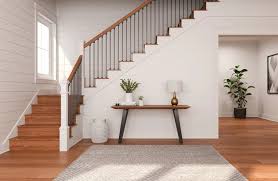
When staircases start to show their age, homeowners often assume that a full tear-out is the only answer. In many cases, though, retrofit stair treads provide a more efficient path. Designed to install over existing steps, these treads allow you to refresh the look and feel of a staircase without dismantling the underlying structure.
For remodelers and DIY-focused homeowners, retrofit solutions balance practical installation with a noticeable visual upgrade.
What retrofit stair treads are designed to do
Retrofit treads, sometimes called overlay or cap treads, are specifically created for renovation rather than new construction. They include an integrated nosing and dimensions that account for the thickness of the old tread without throwing off riser heights.
They are meant to:
- Cover worn or outdated step surfaces
- Create a consistent, finished edge at each nosing
- Bring older staircases in line with newer flooring and trim styles
This approach preserves the staircase layout while updating the part everyone sees and uses daily.
When retrofit treads make sense
Retrofit stair treads are especially useful in certain scenarios:
- Sound but unattractive stairs
The structure is still solid, but the surface is scratched, stained, or patched. - Homes where disruption must be limited
Occupants need to move between floors daily, making a full tear-out impractical. - Projects with tight timelines
Overlay systems can often be installed faster than building a new staircase from scratch.
As long as the existing steps are structurally sound and reasonably level, retrofit solutions can save time and reduce mess.
Material and style options
Just like traditional treads, retrofit versions come in various wood species, finishes, and profiles. Options range from classic oak to more contemporary looks, allowing you to match or contrast with surrounding flooring.
Consider:
- Species and finish
Choose a combination that works with adjacent floors and railings, whether that means a close match or a deliberate contrast. - Nosing profile
Square noses can feel modern, while rounded or bullnose profiles lean more traditional. - Integration with risers
Retrofit projects often pair wood treads with painted risers for a clean, updated feel.
Because retrofit treads are so visible, planning the overall design ahead of time is crucial.
Key installation points
Successful retrofit installations depend on accurate measurement and thoughtful prep.
Important steps include:
- Inspecting the existing staircase for structural issues that must be resolved first
- Cleaning and leveling surfaces to ensure good contact
- Measuring each tread individually, especially in older homes where dimensions vary
- Using appropriate adhesive and fasteners to create a firm, squeak-free connection
Depending on the complexity of the staircase, some homeowners may choose to work with a professional installer, while others may tackle simpler, straight runs themselves.
Long-term performance and care
Once retrofit stair treads are in place, care is similar to that for standard wood treads.
Good practices include:
- Regular sweeping or vacuuming to remove abrasive grit
- Prompt cleanup of spills to protect the finish
- Occasional touch ups for minor scuffs in high-traffic areas
With the right finish and reasonable care, retrofit treads can provide many years of service while maintaining their appearance.
Final thoughts
Retrofit stair treads offer an appealing alternative for homeowners who want to upgrade outdated or worn stairs without embarking on a full rebuild. By using the existing structure and focusing on the visible, functional surface, these systems deliver meaningful visual change and improved daily use with less disruption. For many renovation projects, that balance of efficiency and impact makes retrofit options well worth considering.
